When World War 2 began in 1939, the Royal Air Force still had biplane fighters in service. By the end of 1944, jets were flying in combat. Few periods have changed aircraft so quickly. Here are the changes that mattered most, and why each of them came about.
Speed doubled in a few years
The Gloster Gladiator, the last biplane fighter flown by the RAF, entered service in 1937 with a top speed of about 257 mph. It still fought in France, Norway, Greece and Malta. The Messerschmitt Me 262 jet could pass 530 mph, more than twice as fast, and it began jet fighter operations in October 1944.
Radar told fighters where to go
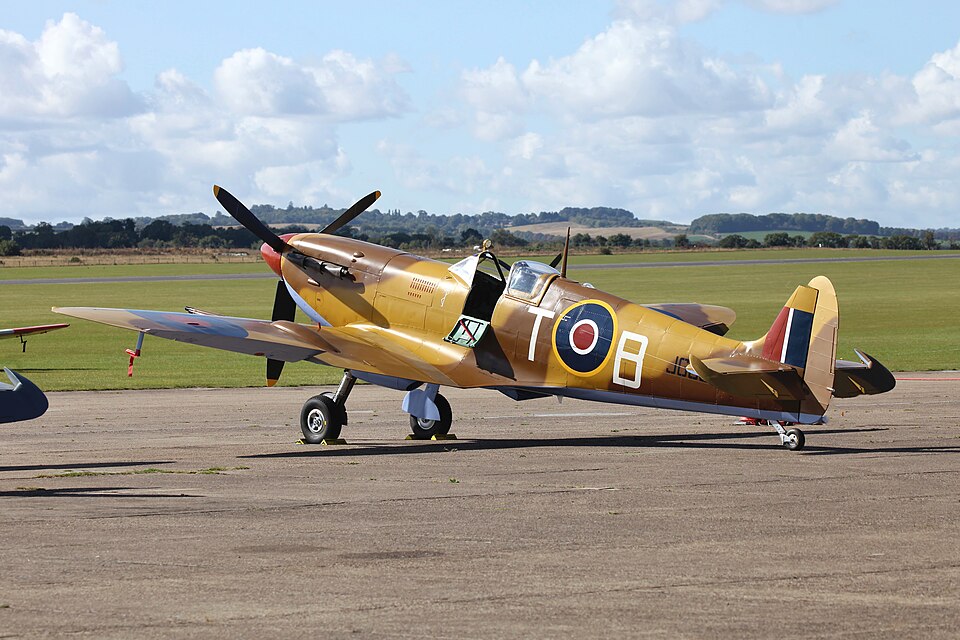
A faster fighter still has to be in the right place. Britain’s Chain Home, the first early-warning radar network in the world, had 21 stations working when the war broke out. With a range of about 100 miles, it could detect German aircraft while they were still forming up over France. During the Battle of Britain in 1940, that gave RAF commanders time to put their Spitfires and Hurricanes in the path of a raid.
Bombers needed an escort
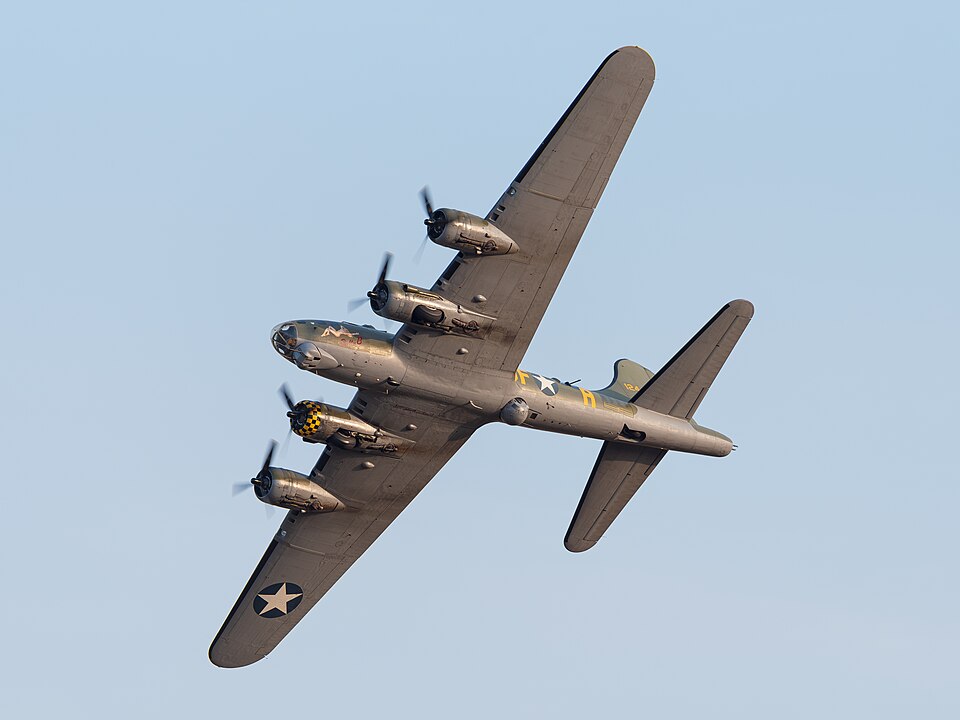
Heavy bombers such as the B-17 carried the air war deep into Germany, but they needed protection along the way. The answer was range. The P-51 Mustang first flew with an Allison engine that lost power quickly above 15,000 feet. A switch to the British Merlin engine transformed its performance at high altitude without reducing its range. With added fuel tanks, the Mustang could stay with the bombers all the way from England into Germany and back.
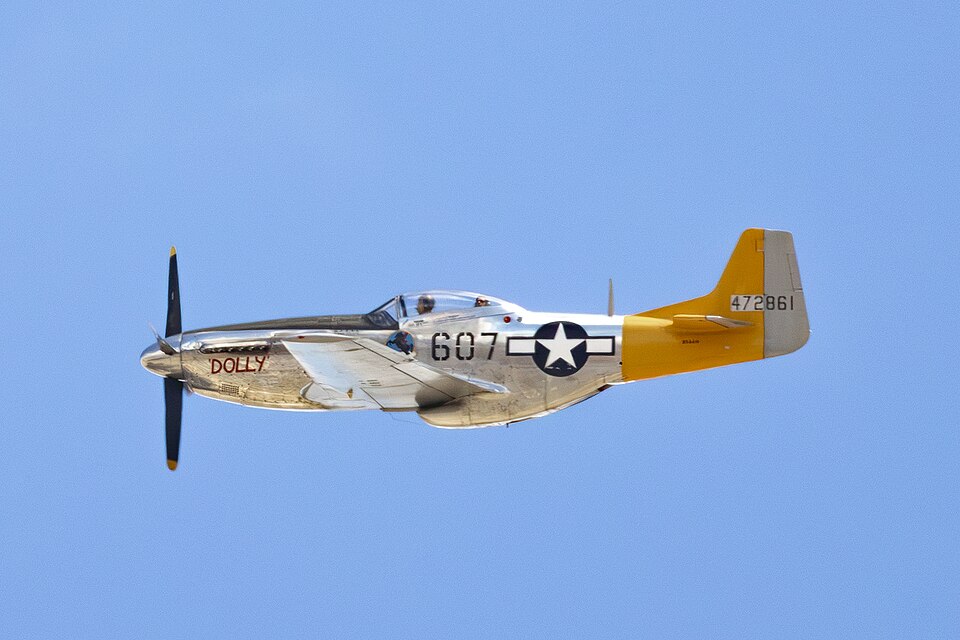
Mustang sweeps ahead of the bombers helped the Allies win air superiority by June 1944. Luftwaffe chief Hermann Goering reportedly said: “When I saw Mustangs over Berlin, I knew the jig was up.”
Aircraft took over the war at sea
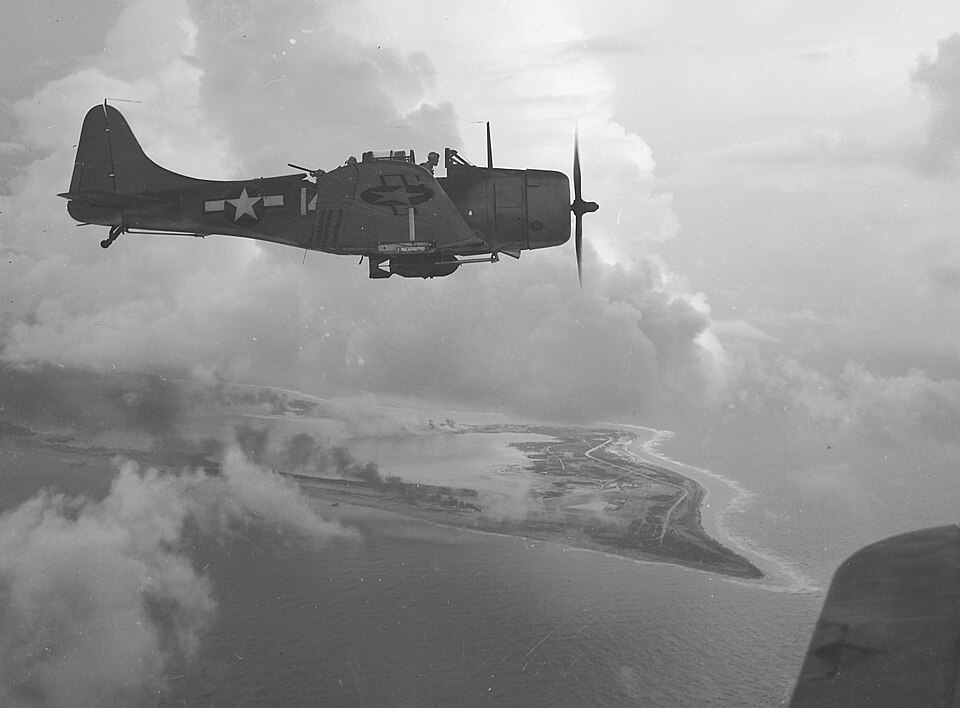
In May 1942, the Battle of the Coral Sea became the first naval action in which the opposing fleets neither saw nor fired on each other. Carrier aircraft did the fighting. A month later at Midway, American dive bombers such as the Dauntless helped sink all four Japanese fleet carriers in the battle, while Admiral Yamamoto’s main force of battleships, trailing far behind, saw no action.
Bombers grew into something new
The B-29 Superfortress entered service in 1944 with features that sound far more modern than the biplanes of 1939. It was the first bomber with full pressurization for its crew, and its gun turrets were controlled remotely. Designing and building it cost about $3 billion, far more than the $1.9 billion spent on the Manhattan Project.
Numbers grew too. About 18,500 B-24 Liberators were built, which makes it the most produced bomber in history. The Messerschmitt Bf 109 holds the record among fighters, with 34,248 built.
The jet came too late to change the war
The Me 262 was about 150 km/h (93 mph) faster than any Allied fighter operating in Europe, yet it had little effect on the outcome. It arrived late, and although about 1,400 were built, fewer than 100 were ready for combat at any one time. Unreliable engines and fuel shortages held it back, and Allied pilots attacked it during takeoff and landing, when it was most vulnerable. Even so, it showed where aviation was heading.
Fly them yourself
Start with Dogfight 3, or fly Spitfires in Battle of Britain. Bomber at War gives you ground targets to destroy, and Spitfire 1940 puts you in command as a strategist. Find more in our World War 2 games.
Can you tell the types apart? Try the fighter or bomber quiz, or read about the best fighter planes of World War 2.
Sources
- Wikipedia on the Gloster Gladiator, Me 262, Chain Home, P-51 Mustang and B-29 Superfortress.
- Wikipedia on the Battle of the Coral Sea and the Battle of Midway.


